Help Kids Beat Gaming Addiction: Parenting Tips That Work
Why Children Get Addicted to Gaming?
Children often play video games excessively because they provide instant rewards, excitement, and a sense of confidence. Gaming also helps them escape boredom or stress. Without outdoor outlets or a structured daily routine, screens can quickly take over.
Start with Connection, Not Control
Many parents make the mistake of banning games or snatching devices. This usually backfires and pushes children deeper into gaming. Instead, focus on connection:
- Have calm conversations
- Ask what they enjoy about the game
- Listen without judgment
- Use gentle language like “Let’s fix our routine together”
How to Talk to Your Child About Gaming
A simple communication formula works wonders:
- Acknowledge – “I know games are fun, and you enjoy playing them.”
- Empathize – “Sometimes we play more when we are stressed or bored.”
- Collaborate – “Can we make a plan so you have time for gaming and other important things too?”
This approach builds trust and reduces resistance.
Create Healthy Gaming Limits
Gaming doesn’t need to be removed completely. Controlled access teaches self‑discipline.
- Limit gaming to 1 hour on weekdays
- Allow 2 hours on weekends
- Use timers to signal stop time
- Keep devices in common areas
- No gaming during meals or late nights
Offer Fun Alternatives
Children reduce screen time when they have exciting real‑life activities:
- Outdoor sports (cycling, swimming, skating)
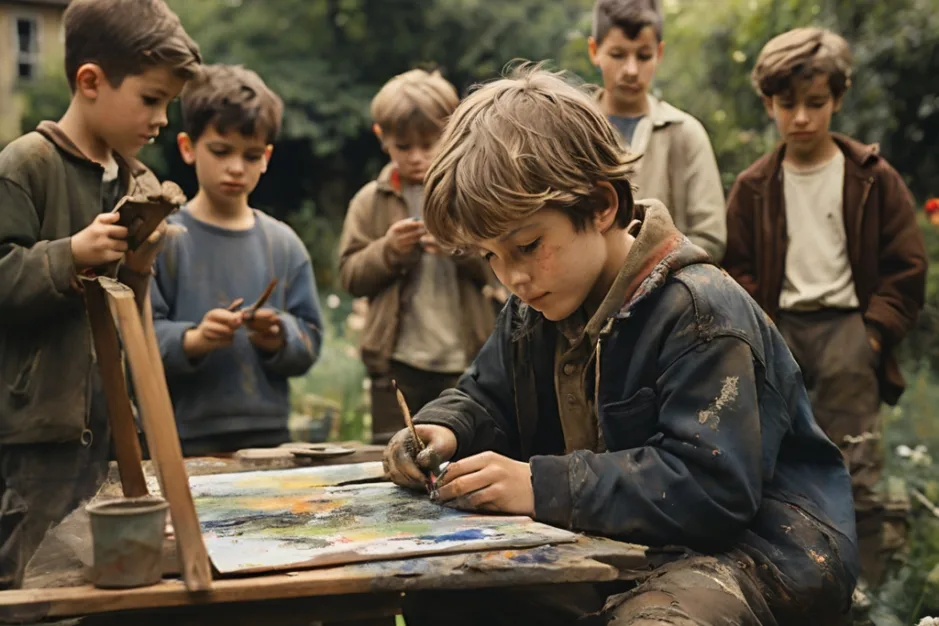
- Dance, music, art, or craft
- Reading challenges and board games
- Family activities
- Coding or robotics for kids
Build a Consistent Daily Routine
A predictable routine helps children feel secure and balanced:
- Fixed wake‑up time
- Regular meals
- Homework or study hour
- Outdoor play
- Family bonding
- Limited gaming time
- Fixed bedtime
Strengthen Family Bonding
Children who feel connected at home are less likely to escape into screens. Try:
- 10–15 minutes of one‑on‑one talk daily
- Helping with small chores
- Playing board games or short walks
- Showing interest in hobbies
- Weekend outings
Teach Simple Coping Skills
If gaming is used to cope with stress, introduce healthy alternatives:
- Deep breathing
- Stretching
- Journaling
- Short walks
- Puzzles or drawing
- Mindfulness apps for kids
When to Seek Professional Help
Parents should seek guidance if a child:
- Stops meeting friends
- Becomes aggressive without gaming
- Lies to hide gaming
- Shows poor grades or late‑night habits
- Displays anxiety or withdrawal
A Gentle 4‑Week Plan
- Week 1: Understand + Connect
- Week 2: Introduce Limits
- Week 3: Reduce Gaming Slowly
- Week 4: Strengthen Habits
Within a month, you’ll notice positive changes.
Final Thoughts
Helping a child overcome gaming addiction is not about control—it’s about patience, connection, and gentle guidance. With small adjustments, a calm approach, and a structured routine, children can return to a healthy balance.